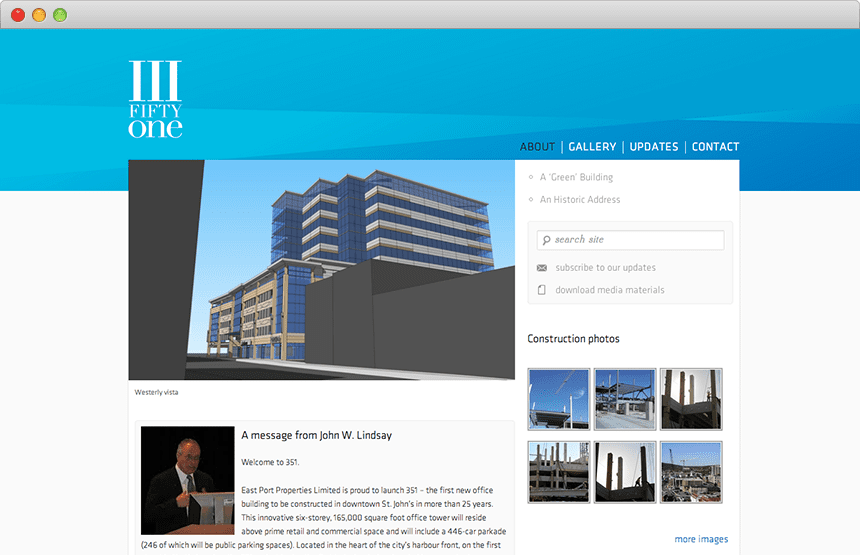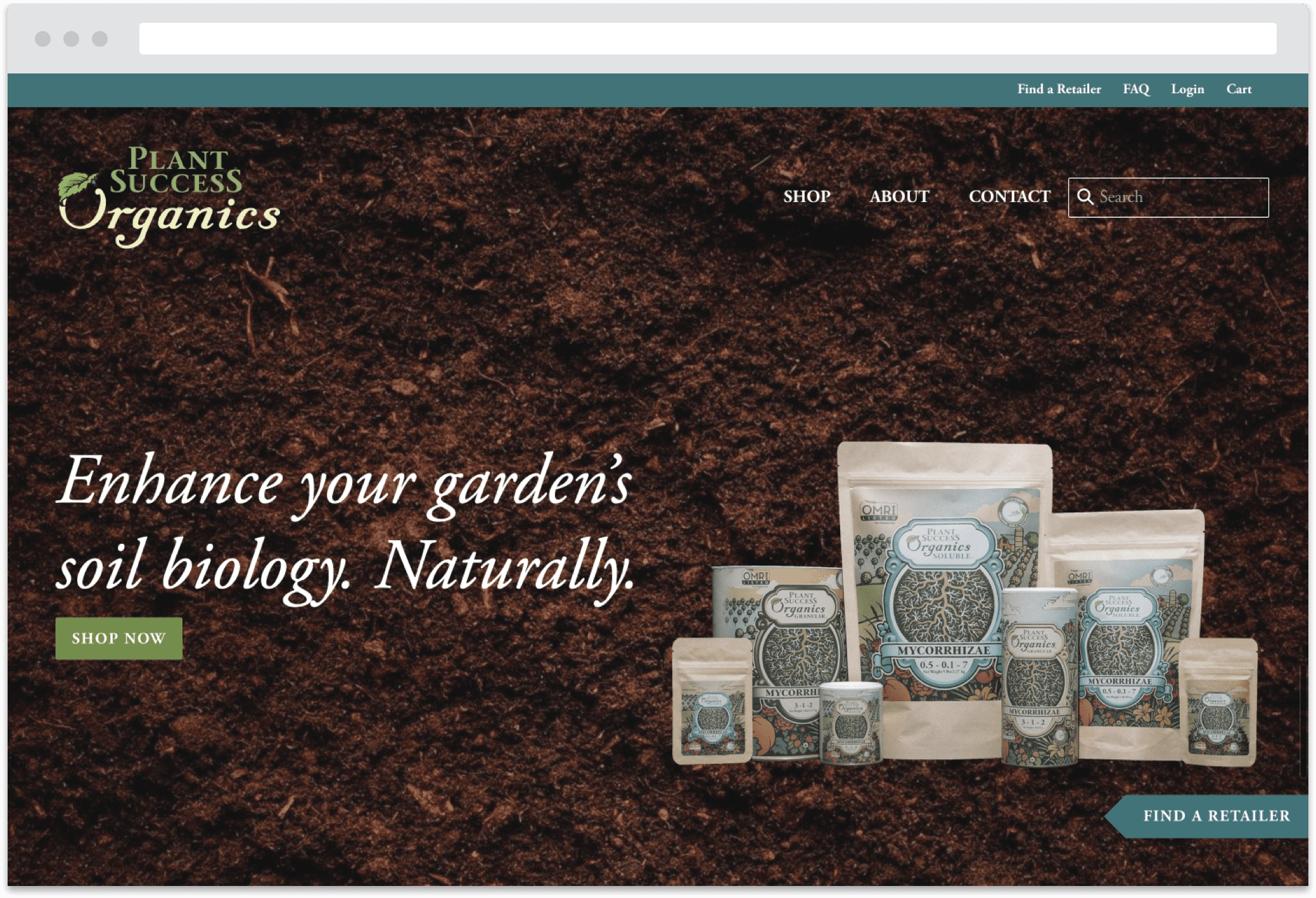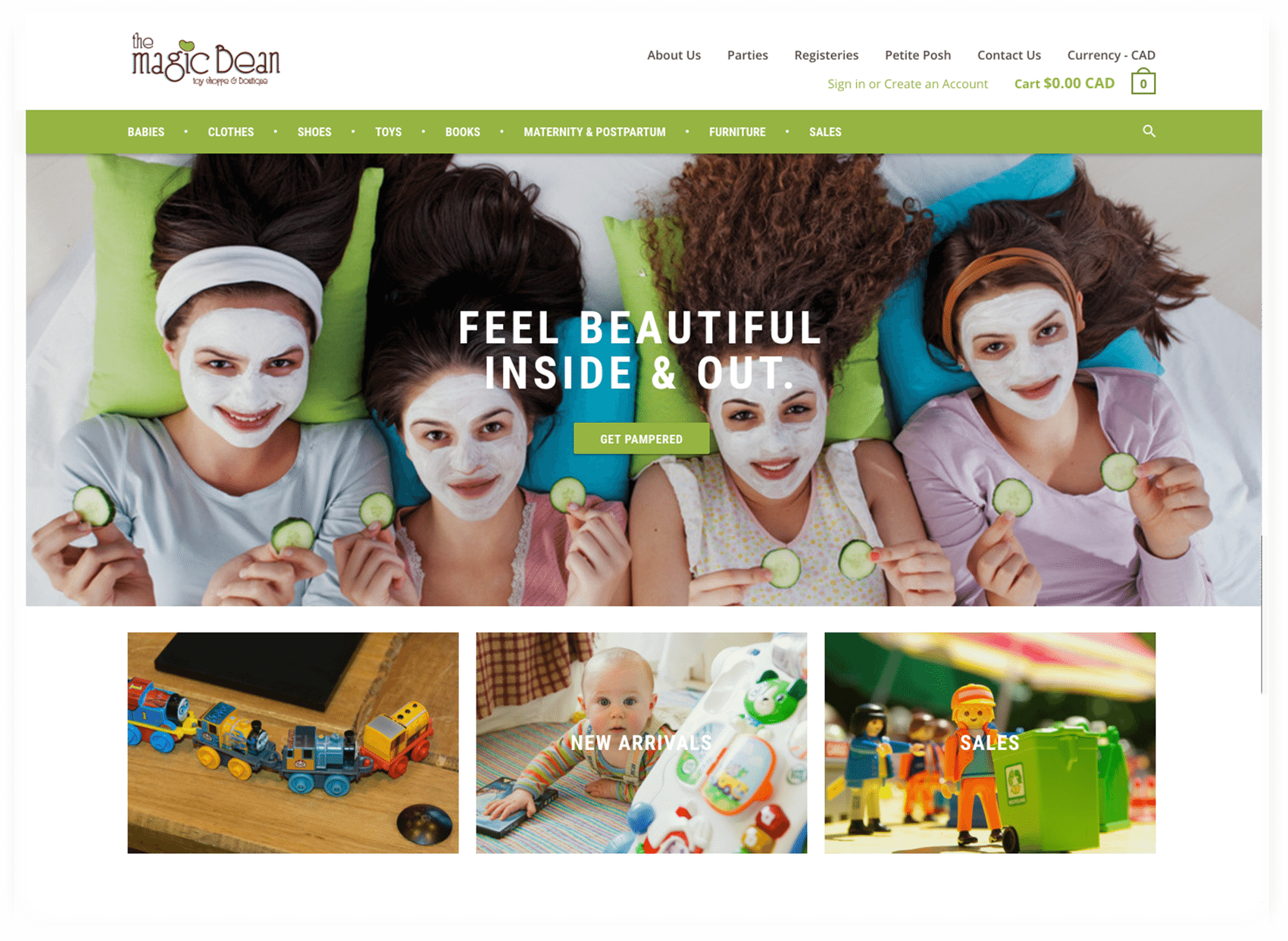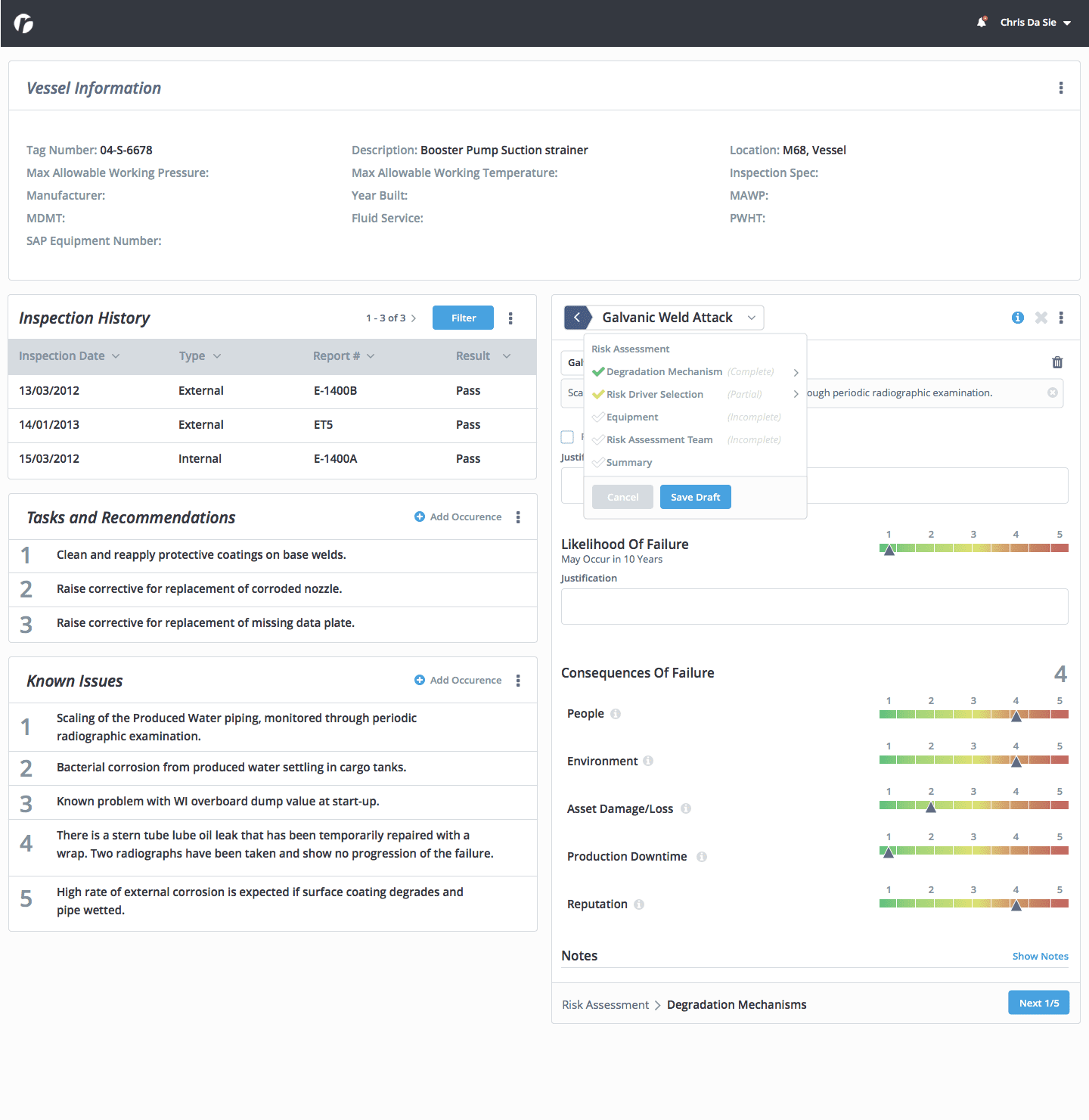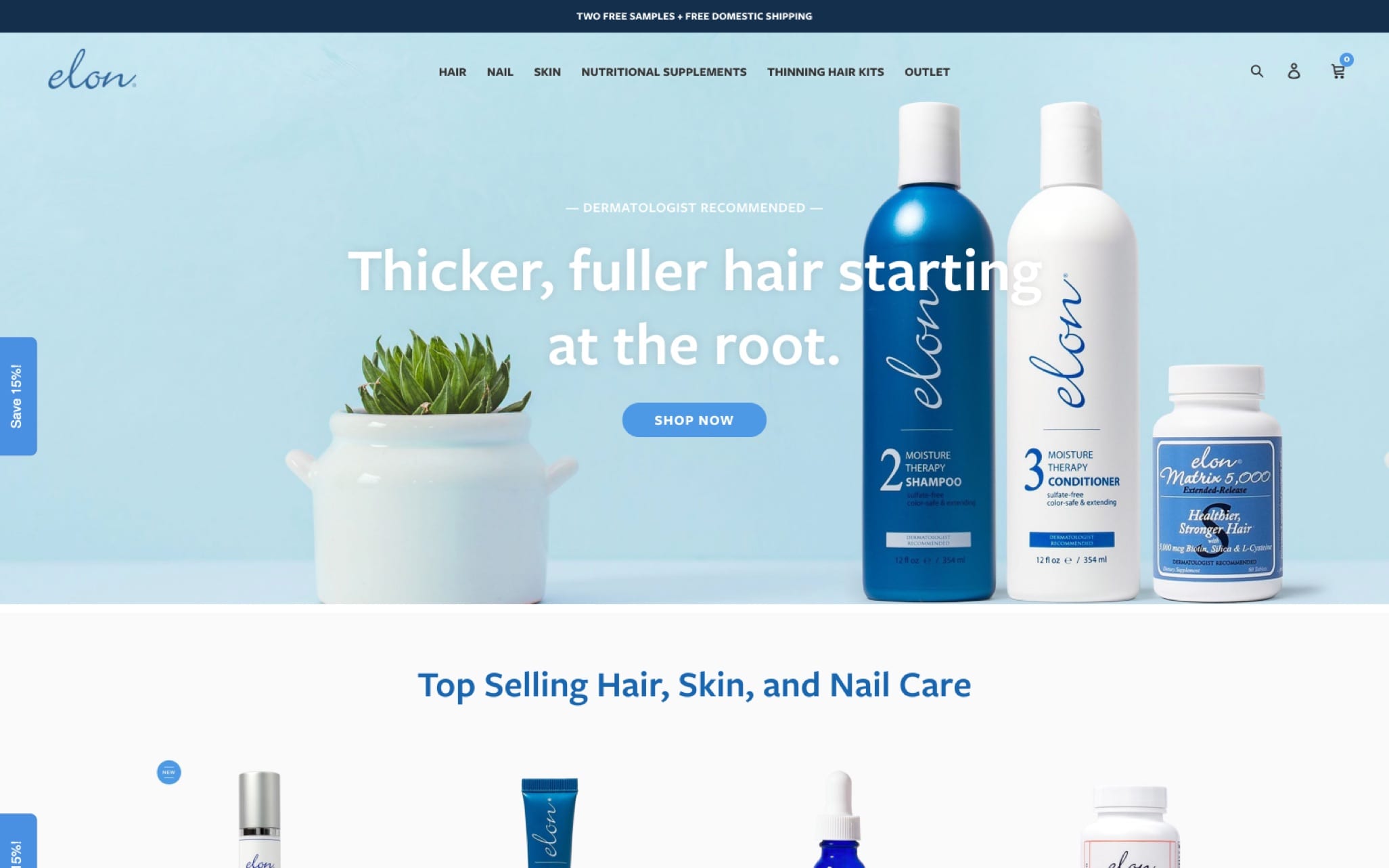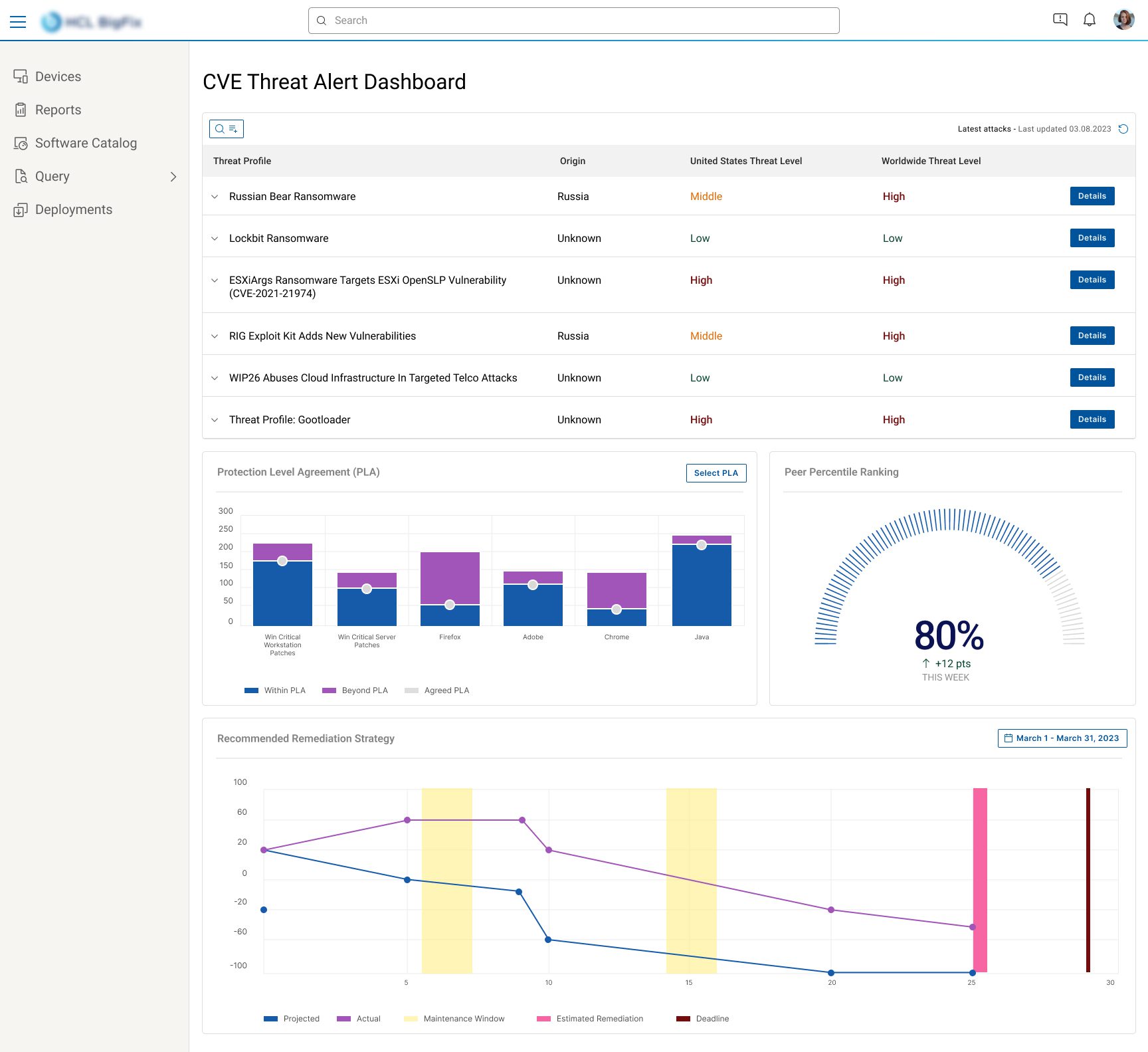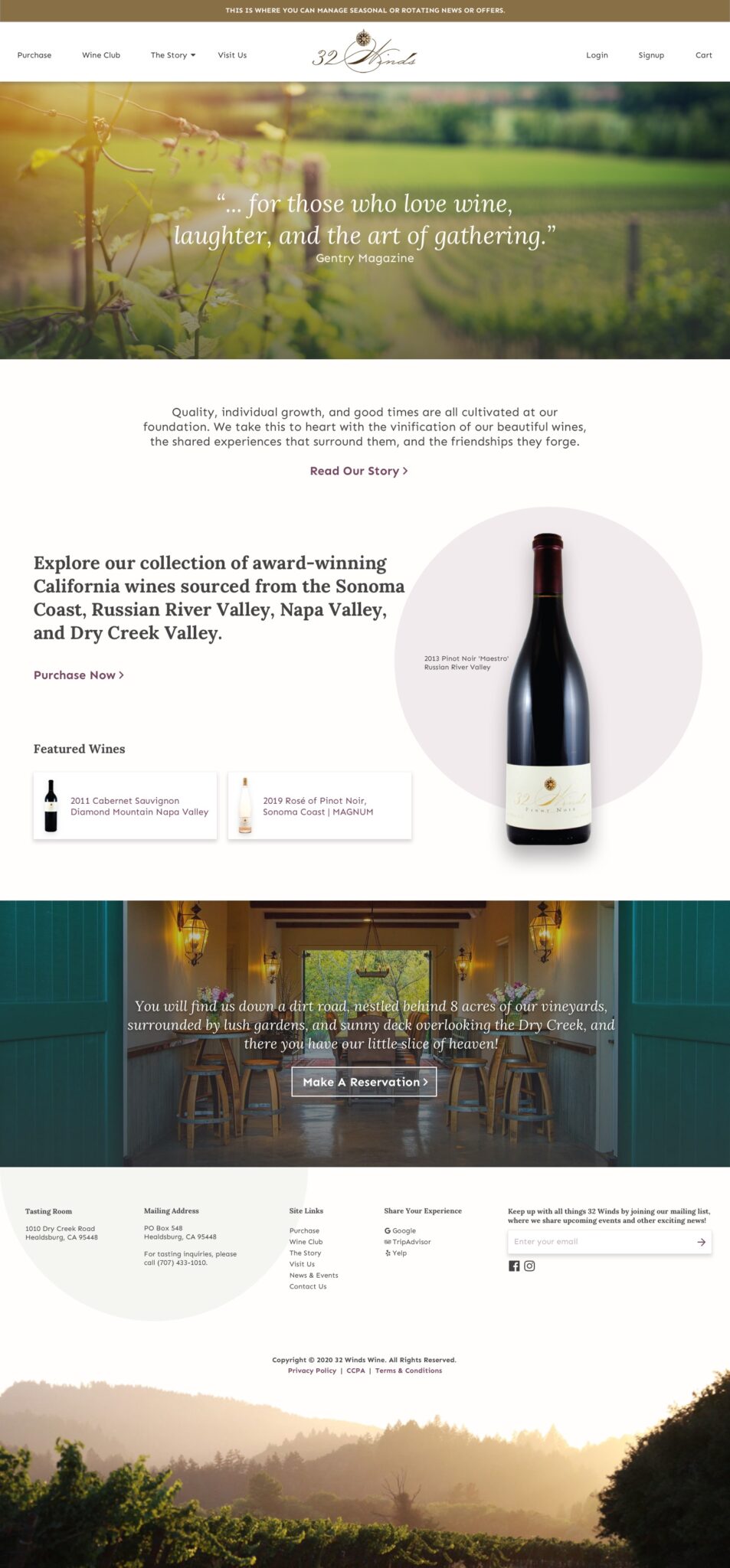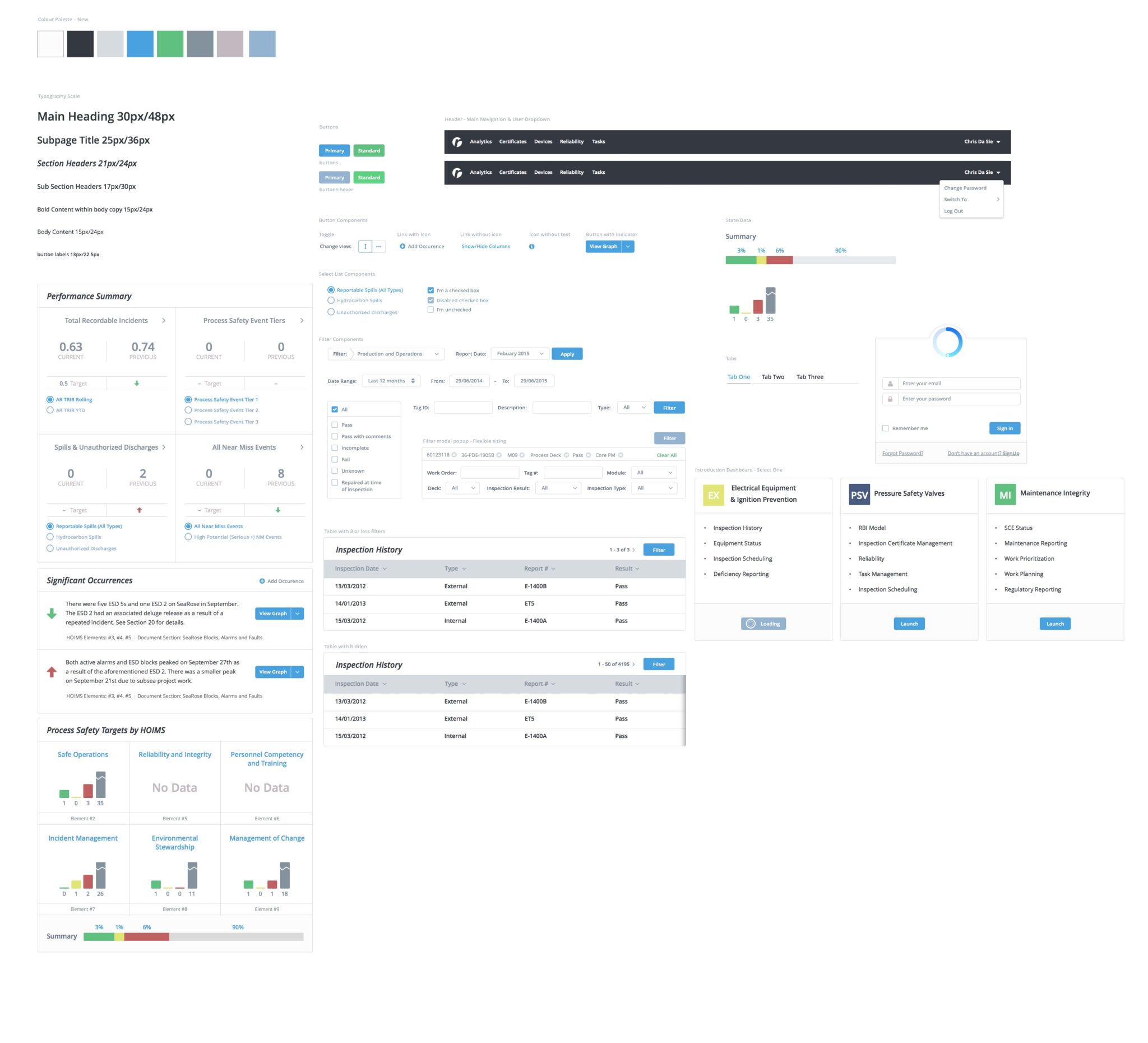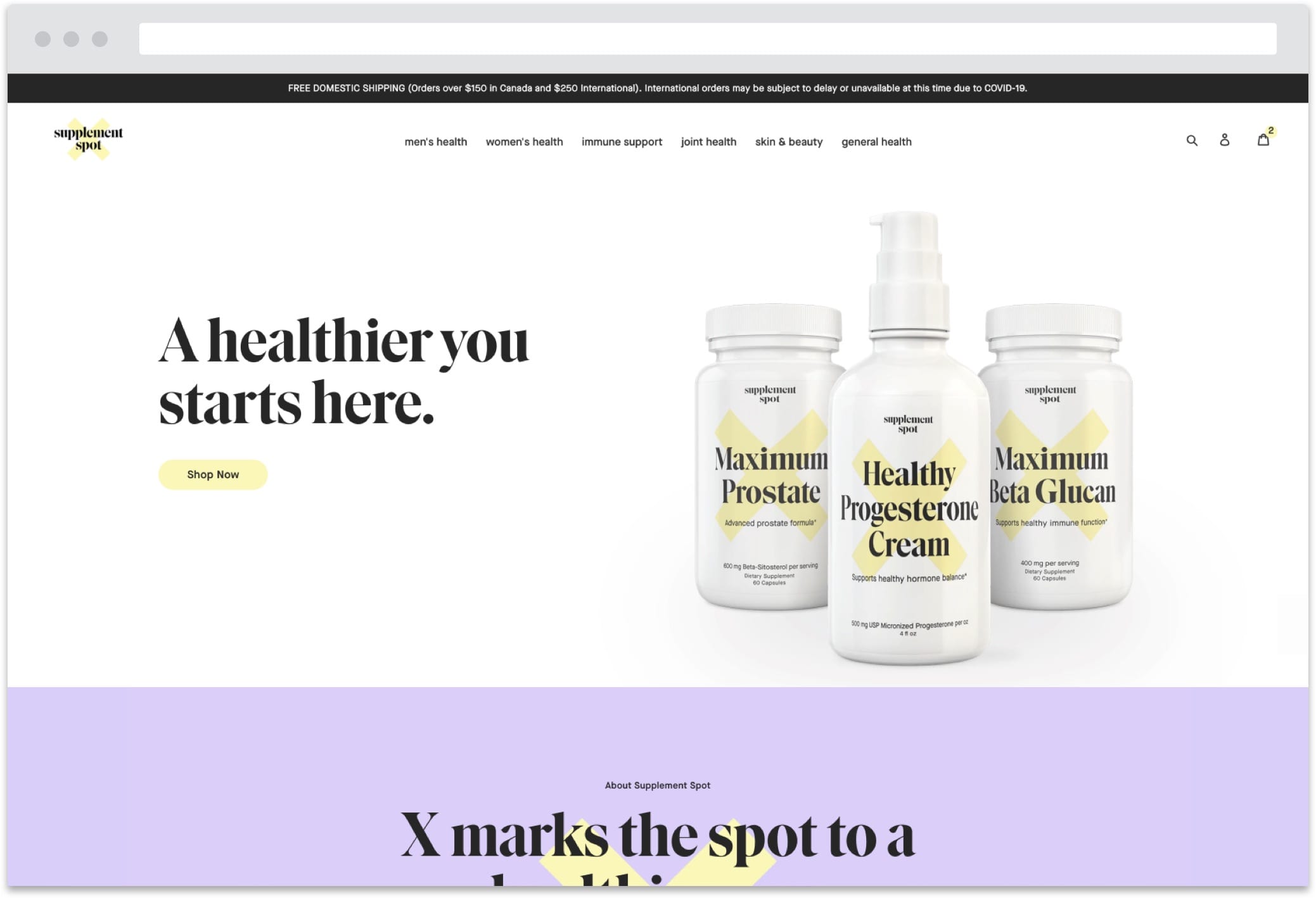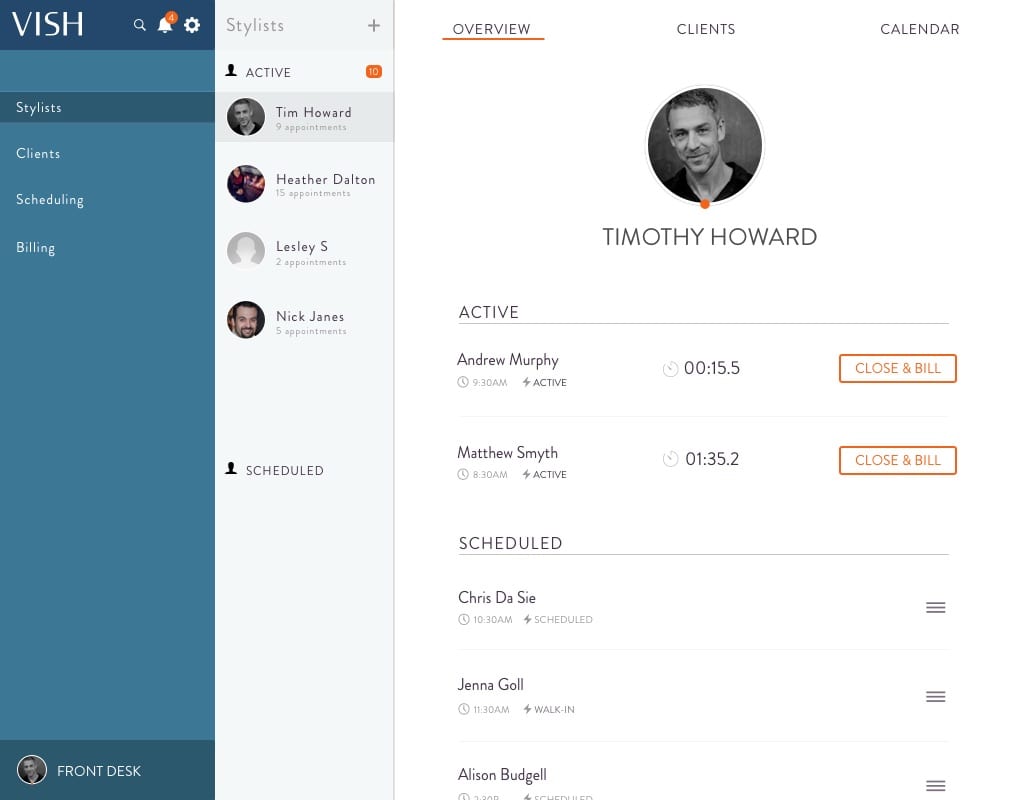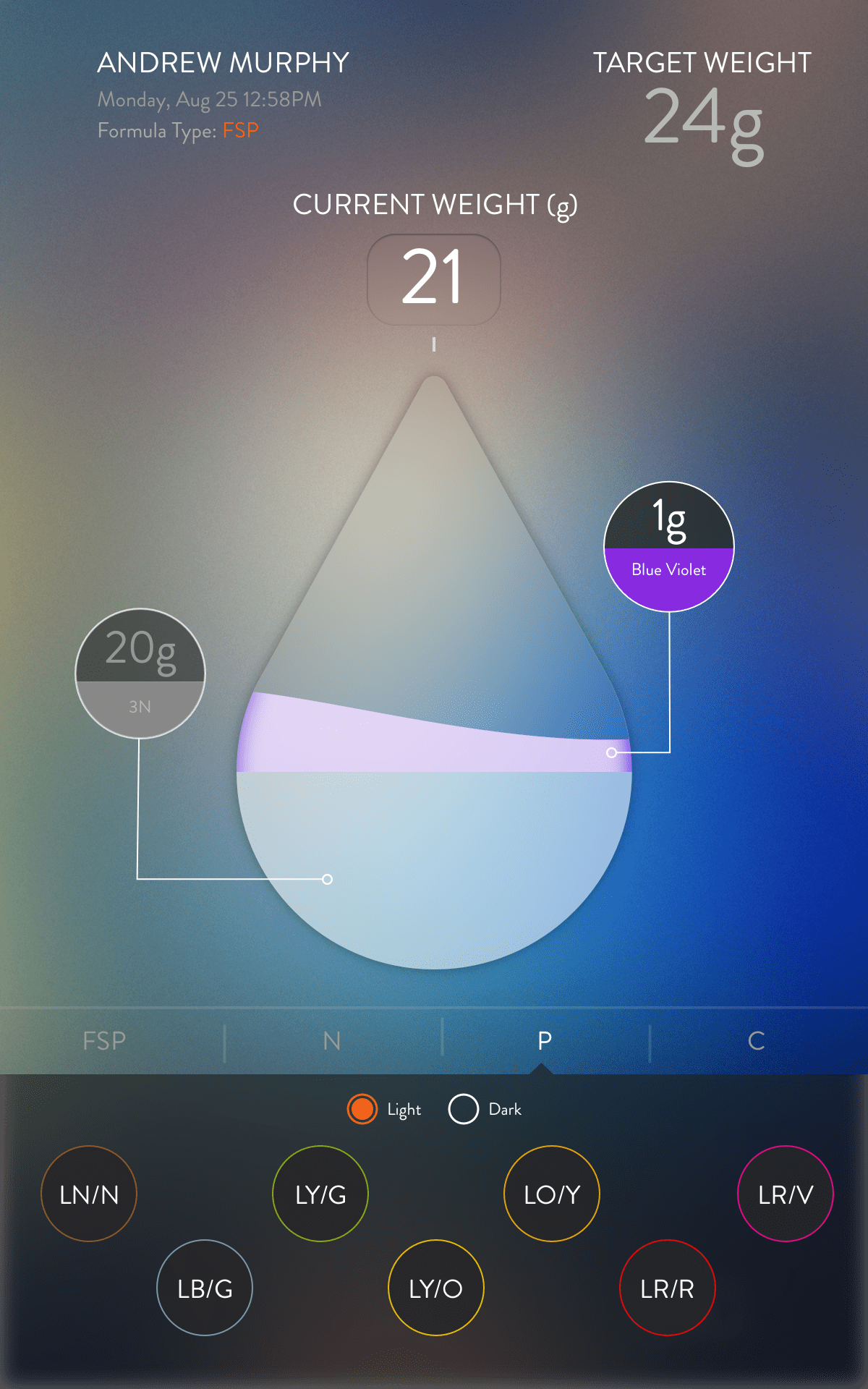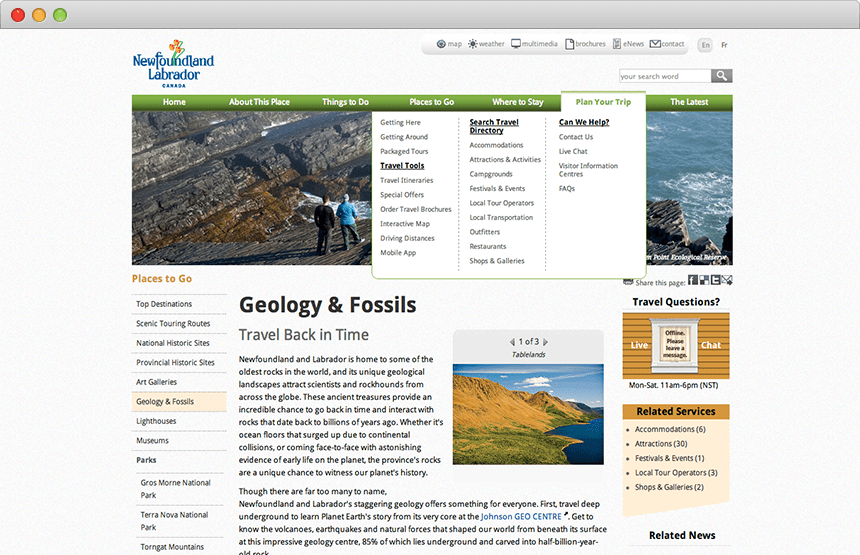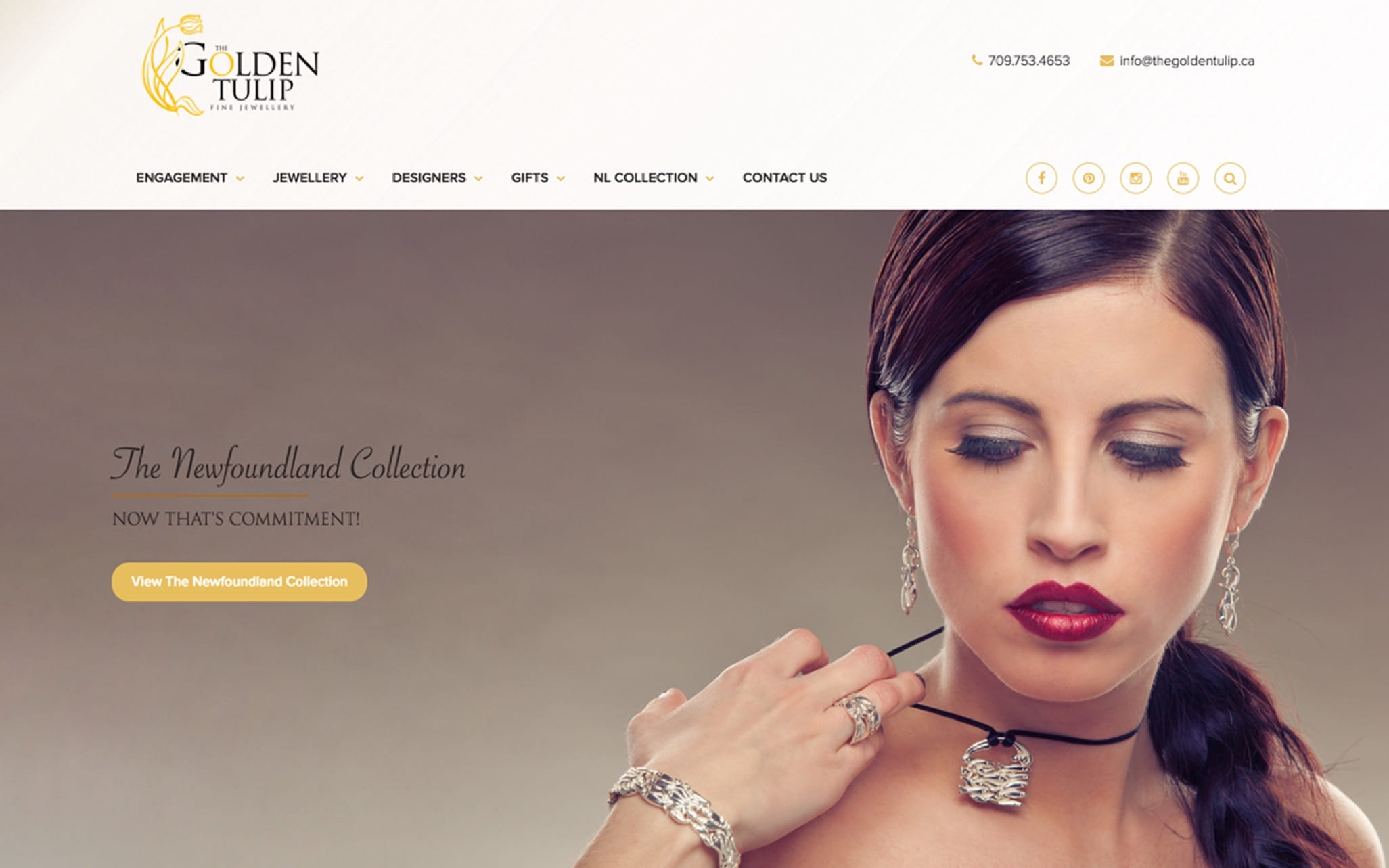
Believe it or not every site is sending users a message. It’s not just site that is sending this message but the elements we have built into it. Whether it’s a template site that you bought or had custom built by a professional designer, your site is saying more than just what is written on the page. Your logo is saying a lot. The color, shape and size of your buttons are speaking as well. Of course we can’t forget the fonts and imagery that have been included.
Let’s be honest. Not every designer is the same. Not every solution for a client is the same. But does that mean that clients should put up with designs that are crap? I think not. As designers, it is our responsibility to leave the world looking a little prettier than we found it. If you can’t do that then you shouldn’t be calling yourself a designer.
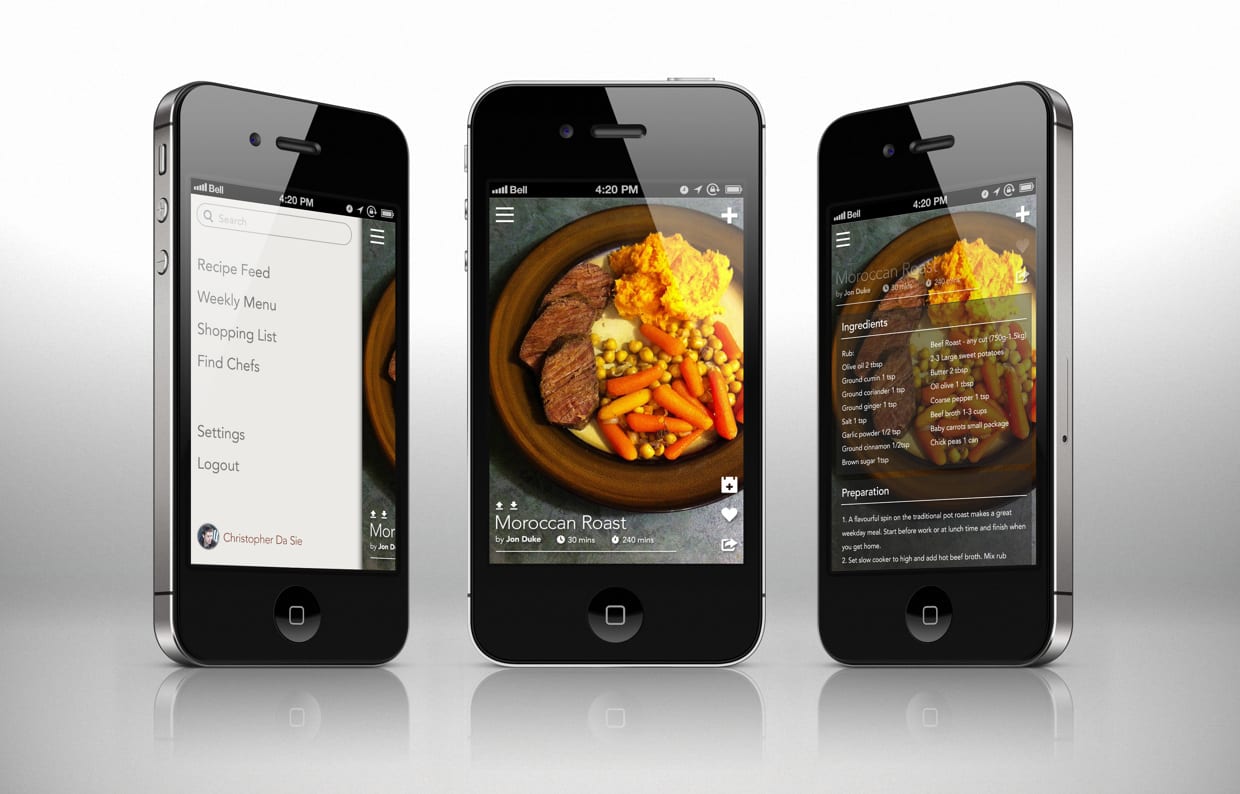
Over the last few years, we’ve seen an increasing amount of attention turn towards mobile design and development. This is to be expected with the new hi-resolution screens and device abilities that have appeared on the market. The focuses of these conversations are about how we should limit our designs in the mobile space. How we have to scale back. I think we’ve got it backwards. I think we’re able to connect our designs with users at emotional levels we’ve never been capable of before.
I recently attended the An Event Apart SF. It was eye opening and mind blowing. The web industry has some extremely smart people in it. The majority of the speakers focused on pushing mobile first but without forgetting the content. I must admit while Nicole Sullivan while talking about how our best practices are killing us. I felt extremely guilty that some of my “best” CSS is wrong in her books. Guilt wasn’t the only feeling I had during the week, I saw felt a sense of awe.
There is a lot of talk around the web about always have a responsive design for any web project that you create. But one thing we never seem to talk about is how to actually design for this space. So people are doing an amazing job of this like Think Vitamin/Treehouse, Simon Collison to name a few. But what really makes these great and easy to navigate through.
Five years ago, if you had told a client that you were going to start their digital project with wireframes, research and the development of a content strategy, they would have told you to stop wasting their money. They just wanted a site that put them online. It was a time when user experience design was relatively unknown by the general public. These days, however, anyone who makes web sites, apps, or any other form of digital media will offer this as a primary service. Our clients are generally pretty happy with what we’ve come up with. But have we put too much focus on content strategy and user experience that we’ve lost visual human element of design? Are our designs falling flat in translating brand experiences into the online world?
Recently, I got thinking about how differently creative designers approach their client’s problems. Some work best by just throwing themselves in the adobe suite and start working through design after design until they feel they’ve gotten it right. Others use different methods or technologies to pull together a useful solution.
Since the invention of the smart phone, I’ve noticed a growing trend in location based content. We’ve seen it in the raise of Foursquare, Gowalla and thousands of geolocation based APIs for both web and mobile. But my question is does anyone actually care where you are at any given moment? Maybe your mother does. She’s always been a bit of a worrier, right? I know mine was growing up. Is that really why these systems keep popping up?
In today’s world, technology is changing faster than grass grows. But what is the next big evolution in how we connect and use technology? We’ve seen thousands of examples of what technology will eventually be able to do. We’ve seen examples of holograms, visors, touchscreens and the list just seems to go on. But what seems to be the next big evolution will be 3D computers. Over the past year or so, we’ve seen a huge raise in number of 3D movies. In fact, it seems like just about every movie out there is 3D these days. In fact, I think it won’t be long before we see this our TV’s and on our computer screens.But I will be honest, I’m not the first to think about this.
Do you know where consumers are getting their initial sells pitches? It isn’t the sales representatives that brands pay for to walk around and ask “is there anything I can help you with today?”. It’s not even the promotions you place around town on billboards, newspaper ads, etc. It’s Google.